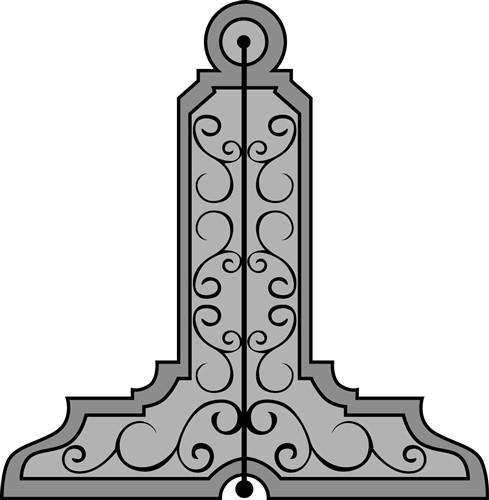
Inspiring We meet upon the Level

We meet upon the Level
The mighty and the lowly there shall bend
Unto the nearest tasks their lives provide;
The humble shall arise, the high descend,
As brothers, on the Level, side by side
(‘The Level’ by Russell J. McLauchlin)
Freemasonry’s ‘peculiar system of morality’ seeks to make us better men; built upon the principles of Brotherly Love, Relief, and Truth, its teachings encompass every moral virtue and attribute, including equality.
As Fellowcrafts we were taught that ‘although distinctions among men are necessary to preserve subordination, yet ought no eminence of situation make us forget that we are Brothers’. That tenet, symbolised by the level, has always had a particular significance in military lodges; especially in India during the British Raj, when men of all races, backgrounds, and ranks met together in lodges such as the Beauchamp Lodge.
Our early rituals made symbolic use of many different stonemasons’ tools; but today we use just three tools to explain each Degree’s moral teachings. Those for the 1st Degree are relevant to preparing a rough stone, the 2nd Degree tools to testing and proving that stone, and the 3rd Degree tools to completing the finished structure. In Speculative Freemasonry those tools have analogous roles in the advancement of candidates through the three Degrees.
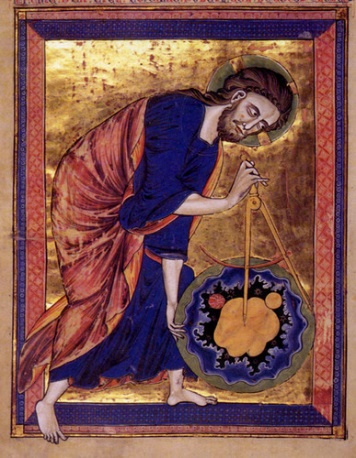
Some medieval operative stonemasons’ tools, such as chisels, were shared and disposable; but they usually kept their own squares, compasses, and levels, sometimes even listing them in their wills.
Such tools were used figuratively in the Bible, God being sometimes depicted as holding a pair of compasses; they have also been used figuratively by writers such as Confucius, Chaucer, and Shakespeare. However, there is no evidence that medieval stonemasons ever made figurative use of their tools; when they were depicted with them in carvings or stained glass windows they are just emblems of their trade, just as carpenters were shown with saws and hammers.

Medieval stonemasons used plumblines to test the finished stones, they would also fix plumblines on to straight edges or in to wooden frames to form plumb rules (‘to try and adjust uprights’) and levels (‘to lay levels and prove horizontals’); ‘bubble’ spirit levels were not invented until the mid-17th century. The stylised levels and plumb rules we have in our lodges incorporate depictions of such integral plumblines, and some lodges also have the plumbline itself as an extra working tool.
The term ‘acting on the level’ is widely used to describe someone who is acting fairly and honestly, but it did not originate in Freemasonry. Indeed over 2000 years ago the Chinese philosopher Mencius (c372-289 BCE) wrote about how we should apply the level, square and compasses to our lives in order to follow the straight and level path of wisdom, honour, and virtue.
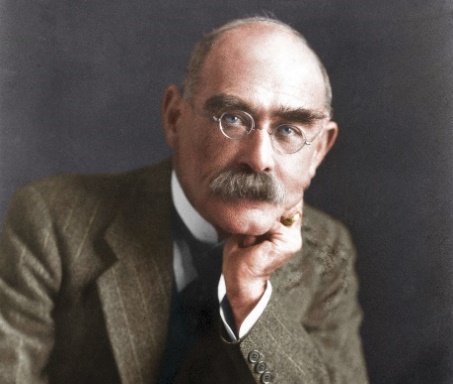
As with the square and compasses the symbolism of the level was by the mid-18th century firmly embedded within our Speculative rituals, having become one of the moveable jewels of our lodges. The noted ritualist William Preston (1742-1818) explained in his 1st Degree Lecture how Masons met ‘On a level’ and parted ‘On the square’; and later Rudyard Kipling was to say, in his poem ‘The Mother-Lodge’, how Brethren ‘met upon the Level an’ parted on the Square’.
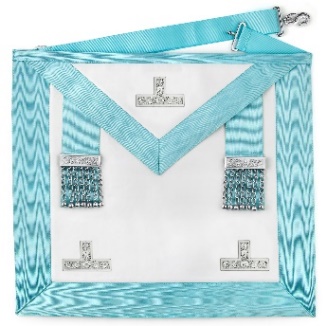
The level is our Senior Warden’s jewel, and one of the working tools of the 2nd Degree. Our Master and Past Masters’ aprons are also said to have ‘levels’ upon them; these first appeared on aprons in the early 1800s, but their origin is unclear. The Book of Constitutions does not describe them as ‘levels’, but as ‘perpendicular lines upon horizontal lines, thereby forming three several sets of two right angles’. It has been suggested that they are in fact a depiction of Euclid’s 13th Proposition, which is about the angles formed by such lines. The science of Geometry has always been fundamental to Freemasonry, and Euclid’s 47th proposition is we know depicted on our Past Master’s collar jewel.
I will close with a final quote about the significance that is given to levels in Freemasonry, it comes from the ritual of the All Souls Lodge No.170, consecrated in 1767:
In the edifice of Freemasonry equality is the chief corner-stone, and every Brother at his initiation enters the lodge not in splendour of dress or pride of heart, but in the garb of humility, and with a mind of lowliness.

This post has been created by the West Kent Military lodge for information. If you would like to now more about the Lodge contact us here

If you’d like to know more about us or how to join our Military Lodge simply click the contact us link and message us your details. We will be very happy to answer any enquiries you may have.

Twitter Feed


