Innovative J R R Tolkien

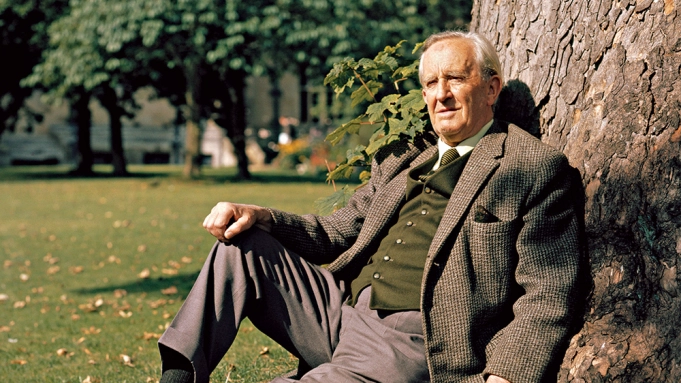
J R R Tolkien's Lord of the Rings was heavily inspired by the author's experience of WW1.
Tolkien was a Second Lieutenant in the 11th Lancashire Fusiliers.
2nd Lieutenant J R R Tolkien

He served as a Battalion Signal Officer, after learning morse code and the use of signal rockets, field telephones and carrier pigeons.
J R R Tolkien arrived at the Somme in early July 1916. In between terms behind the lines at Bouzincourt, he participated in the assaults on the Schwaben Redoubt and the Leipzig salient. Tolkien's time in combat was a terrible stress for his wife Edith, who feared that every knock on the door might carry news of her husband's death. Edith could track her husband's movements on a map of the Western Front. The Reverend Mervyn S. Evers, Anglican chaplain to the Lancashire Fusiliers, recorded that Tolkien and his fellow officers were eaten by "hordes of lice" which found the Medical Officer's ointment merely "a kind of hors d'oeuvre and the little beggars went at their feast with renewed vigour."
On 27 October 1916, as his battalion attacked Regina Trench, Tolkien contracted trench fever, a disease carried by lice. He was invalided to England on 8 November 1916. Many of his dearest school friends were killed in the war. Among their number were Rob Gilson of the Tea Club and Barrovian Society, who was killed on the first day of the Somme while leading his men in the assault on Beaumont Hamel. Fellow T.C.B.S. member Geoffrey Smith was killed during the battle, when a German artillery shell landed on a first-aid post. Tolkien's battalion was almost completely wiped out following his return to England.
According to John Garth, Kitchener's Army, in which Tolkien served, at once marked existing social boundaries and counteracted the class system by throwing everyone into a desperate situation together. Tolkien was grateful, writing that it had taught him "a deep sympathy and feeling for the Tommy; especially the plain soldier from the agricultural counties".
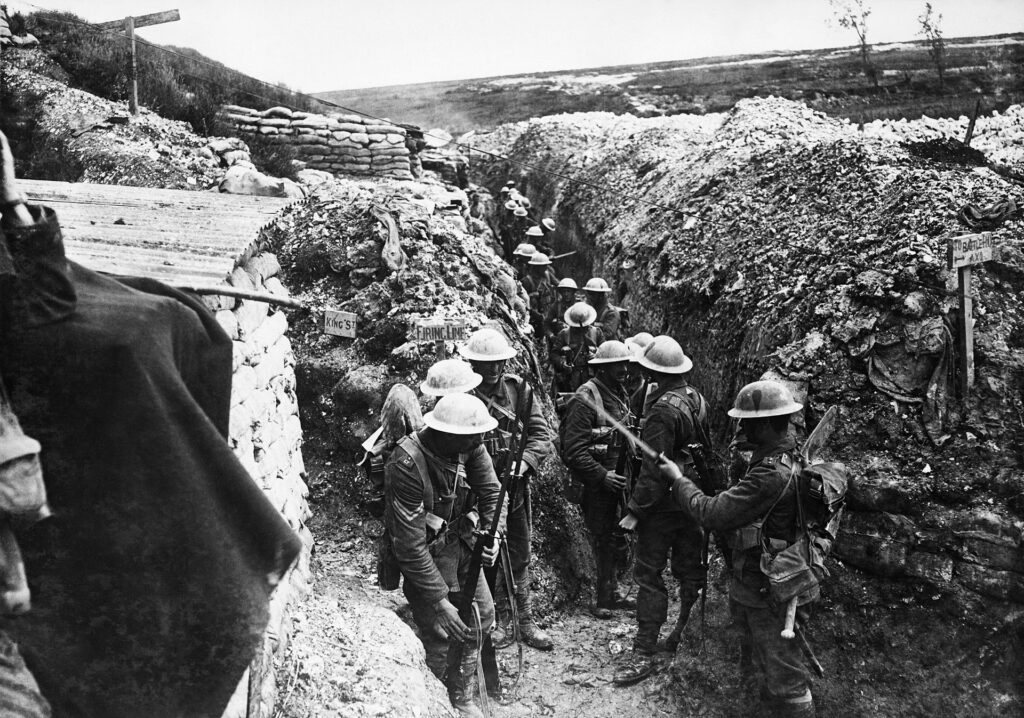
Many of the themes of Lord of the Rings, the war and fellowship, were based on Tolkiens experience. The depiction of marsh land with dead bodies, described in the story, is also based on what the soldiers of WWI saw in the war.
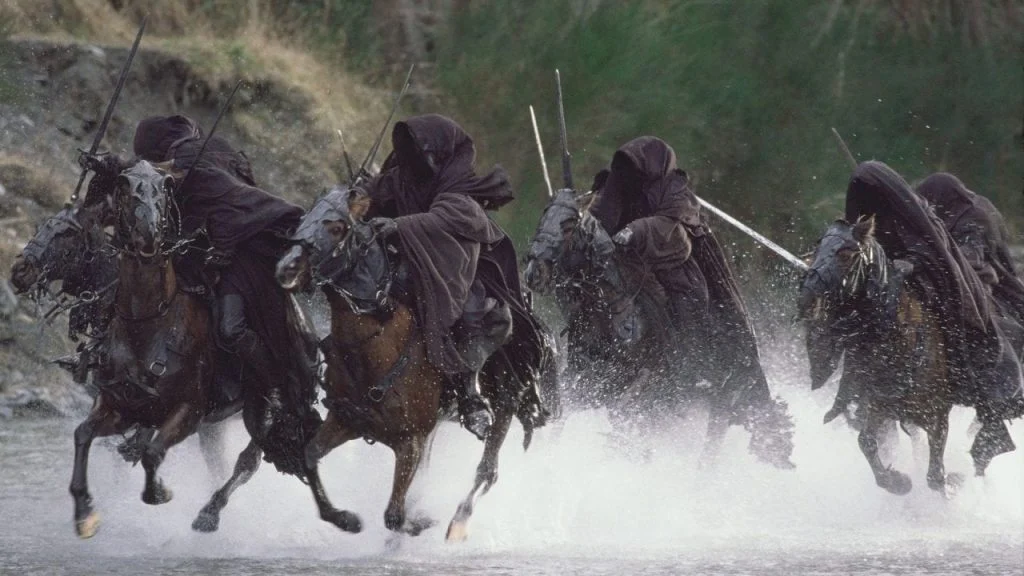
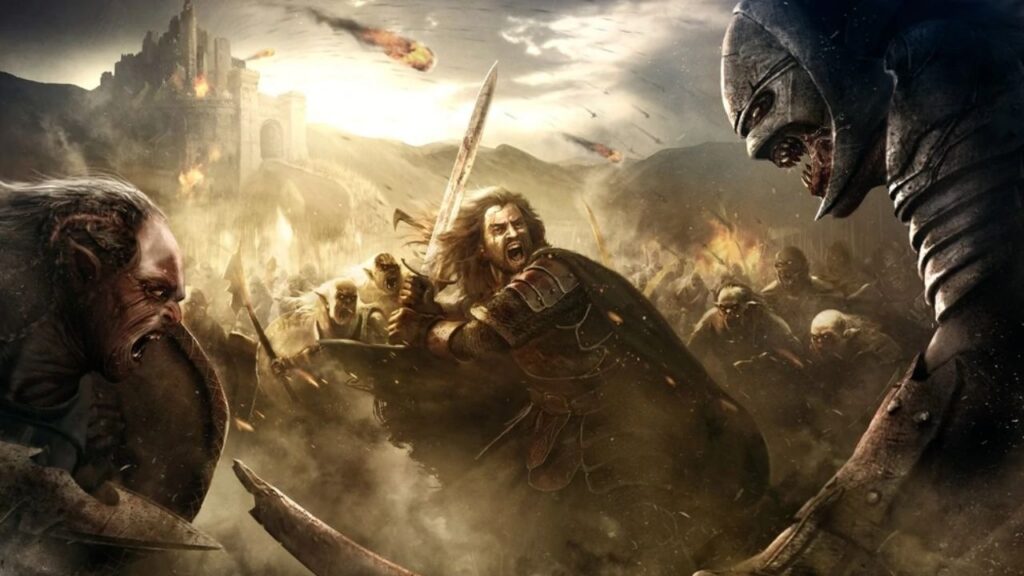

This J R R Tolkien post has been created by the West Kent Military lodge for information. If you would like to now more about the Lodge contact us here

If you’d like to know more about us or how to join our Military Lodge simply click the contact us link and message us your details. We will be very happy to answer any enquiries you may have.

Twitter Feed


