Incredible - The Naval Salute

The Naval Salute
𝗗𝗶𝗱 𝗬𝗼𝘂 𝗞𝗻𝗼𝘄? 𝗧𝗵𝗲 𝗡𝗮𝘃𝗮𝗹 𝗦𝗮𝗹𝘂𝘁𝗲 𝗛𝗮𝘀 𝗮 𝗙𝗮𝘀𝗰𝗶𝗻𝗮𝘁𝗶𝗻𝗴 𝗛𝗶𝘀𝘁𝗼𝗿𝘆
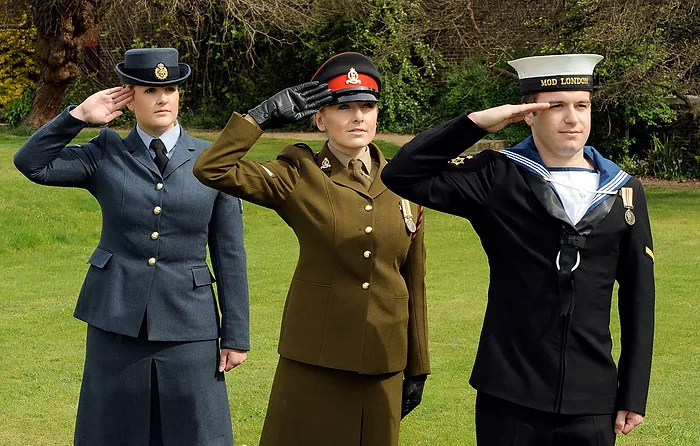
While Sailors of the Royal Navy no longer need to remove their cap, the modern naval salute directly relates to its origins as a gesture of respect. Historically, sailors in the Royal Navy would remove their headgear to acknowledge their superiors. As described in the 1740 publication New Art of War:
"When the King or Captain General is being saluted, each Officer is to time his salute so as to pull off his hat when the person he salutes is almost opposite him.”
This tradition differed greatly from the British Army salute, which is believed to have originated to show an open palm as a symbol of being unarmed.
The Naval Salute - In the Royal Navy:
Officers would doff their caps;
Seamen would touch their forelocks or knuckle their foreheads.
By the 19th century, as the Royal Navy evolved into a modern force and operated alongside the Army in a Victorian society, the salute was standardised to the salute we know today (hand at 45 degree angle with the palm facing in). This change was practical for life aboard ships, offering a shorter, more efficient motion.
Although it’s often said the palm-facing-in salute was created in order to conceal sailors’ tar-stained hands or to conceal an eye injury in front of the Monarch, it is more likely a natural evolution of the original gesture of removing the cap.
The naval salute remains a tradition rooted in respect, connecting today’s gestures to centuries-old practices.
There are defined sets of rules concerning military saluting. Rather usefully www.forces.net provide all the necessary pointers for anyone wishing to deliver a believable portrayal of a member of the British Armed Forces. So, directors, producers, researchers, writers, actors and extras please take note:
- Armed Forces personnel only salute when wearing regimental headdress.
- Head and eyes should both be directed towards the person to whom the salute is directed.
- If someone is saluted and is not wearing headdress, they must come to attention instead of returning a salute.
- Non-commissioned ranks do not salute each other. Only those who hold the Queen’s Commission (i.e. officers) are saluted. So, even though the name might imply it, Warrant Officers, who hold a Queen’s Warrant, are not saluted. Woe betide you, however, if you do not 'brace up' (come to attention) and acknowledge them with an appropriate 'Sir' or 'Ma’am'!
- The person of lower rank should initiate the salute and maintain it until the superior has responded in kind (unless the superior officer is riding a bicycle because to let go of the handlebars is dangerous).
- If you are carrying equipment in your right hand when passing someone who would normally expect you to salute them, it is generally deemed acceptable to 'brace up' or come to attention and acknowledge them verbally.
- Standards, Guidons and Colours, the coffin in funeral processions (if draped with the Union Flag), the Cenotaph and members of the Royal Family (or Governors/Ministers to whom they delegate authority) are also saluted by the Armed Forces.
- Tradition (not regulations) dictates that anyone who has been awarded a Victoria Cross should be saluted. This is out of respect for them as holders of the most prestigious military award of the British honours system.
And finally A general ignorance has led to several misconceptions about the origin of the salute that are, sadly, devoid of any historical base. It is most likely that the military salute began as a gesture of respect and politeness parallel to the civilian custom of raising or tipping one’s hat. Possibly it chimed with the warrior’s custom of showing an unarmed right hand, a sensible precaution we might agree, but one we cannot be certain of as true.


This Naval Salute post has been created by the West Kent Military lodge for information. If you would like to now more about the Lodge contact us here

If you’d like to know more about us or how to join our Military Lodge simply click the contact us link and message us your details. We will be very happy to answer any enquiries you may have.

Twitter Feed


